
Key takeaways
- Wax sits on top of paint for weeks; ceramic coating chemically bonds to clear coat for years of gloss and easier washing.
- Neither wax nor ceramic coating stops gravel or highway rock chips — only clear urethane Paint Protection Film (PPF) absorbs physical impact.
- The highest-value setup for new or daily-driven vehicles is PPF on high-impact front panels paired with ceramic coating across the entire body.
- Always machine-polish swirls out before applying ceramic coating, or the coating will lock those defects underneath.
Head-to-head paint protection comparison
| Protection Type | Typical Lifespan | UV & Chemical Resistance | Stops Rock Chips? | Maintenance Effort |
|---|---|---|---|---|
| Traditional Wax | 4–8 weeks | Low–Moderate | No | Frequent reapplication |
| Synthetic Sealant | 3–6 months | Moderate | No | Reapply 2–3× per year |
| Ceramic Coating | Years (with upkeep) | High (bird droppings, salt, UV) | No | Fast, easy hand washes |
| Paint Protection Film (PPF) | 5–10 years | High + self-healing topcoat | Yes (impact barrier) | Very low; pairs with ceramic |
What traditional wax and paint sealants actually do
Carnauba wax gives paint a warm, temporary gloss by sitting loosely on top of your clear coat. In hot summer sun, freezing Illinois slush, or harsh touchless tunnel detergents, wax breaks down quickly — often within a single month.
Synthetic polymer sealants (like the sealant included in our Exterior and Full Detail packages) stretch that protection to a few months and offer solid short-term gloss. They are a smart baseline if you detail seasonally, but they still wash away over time.
Why ceramic coating is a completely different category
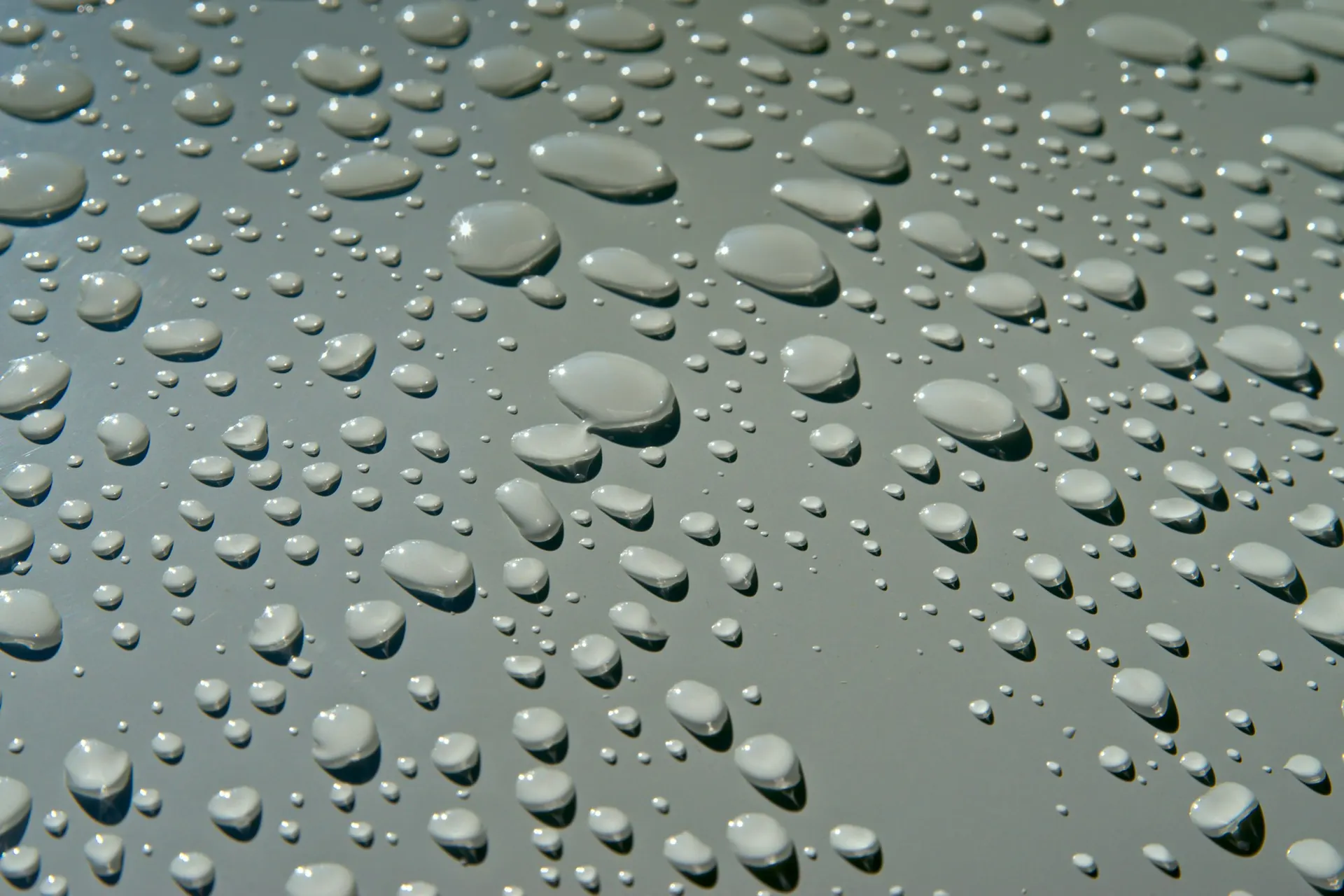
A true liquid ceramic coating bonds directly with your factory clear coat as it cures, forming a slick, hydrophobic surface. Water beads tightly and sheets off, road grime releases far more easily during a hand wash, and your paint resists UV oxidation, bug guts, tree sap, and road-salt etching much better than wax.
Because ceramic coating locks in whatever finish is underneath it, proper installation always starts with a thorough wash, iron/clay decontamination, one-step paint correction to remove swirls, and an alcohol panel wipe before the coating goes on.
When you actually need Paint Protection Film (PPF)
One of the biggest myths in car care is that ceramic coating makes paint scratch-proof or rock-chip proof. It does not. Ceramic is measured in microns; a pebble kicked up at 70 mph on I-80 or CA-14 will still chip coated paint.
Paint Protection Film (PPF) is a thick, optically clear urethane film installed on high-impact areas — front bumper, hood, fenders, mirror caps, or the full vehicle — specifically to absorb rock chips and road rash. On new cars, highway commuters, and enthusiast vehicles, installing PPF on the front end and ceramic coating over the rest (and even over the PPF) gives you both impact defense and effortless washing.
How to choose the right tier for your car
Use your ownership horizon to decide rather than hype:
- Leasing for 2–3 years or prepping to sell soon: Full Detail + paint sealant (or a one-step polish if swirls are heavy).
- Keeping your daily driver for 3–7 years: One-step Paint Correction + Ceramic Coating, followed by quick periodic maintenance washes.
- Brand-new SUV, truck, Tesla, or sports car with lots of highway miles: Front-end PPF + full-vehicle Ceramic Coating + ceramic window tint.
Related mobile services
Covered towns mentioned in this guide
Common questions
Quick answers.
Yes, provided there is a covered garage or shaded, wind-protected workspace where the paint stays clean and dry during application and initial curing.
Yes. Ceramic coating makes washing dramatically faster and keeps dirt from sticking tightly, but regular hand washing (skipping brush tunnels) is what keeps the hydrophobic behavior sharp.
Yes. Window tint and PPF are installed by specialist partners we coordinate for you, quoted directly to your exact vehicle before any work begins.
Ceramic is crystal clear and amplifies gloss — which means it also locks in existing swirl marks if they are not machine-polished out beforehand.